
If you’re a parent in Western Australia trying to figure out early childhood education options, you’ve probably found yourself scratching your head over whether daycare and preschool are the same thing. It’s genuinely confusing, especially when everyone seems to use different terms—long day care, kindy, preschool, kindergarten—and you’re just trying to work out what’s best for your little one while juggling work commitments and Child Care Subsidy (CCS) eligibility.
Here’s the straightforward answer: No, daycare and preschool aren’t exactly the same, but there’s definitely overlap. In Australia, “daycare” (officially called long day care) provides full-day care and education for children from birth right through to school age. It’s designed to support working families who need childcare throughout the day. “Preschool,” on the other hand, focuses specifically on structured learning programs for 3-5 year olds to get them ready for school, typically running during school hours and part-time.
Things get even trickier in WA with our unique “Kindergarten” year before Pre-Primary, plus the fact that many long day care centres now run preschool programs right within their facilities. If you’re in the Lake Coogee area, you’ll find centres that offer both options under one roof, which can actually make life a whole lot easier.
In this guide, we’ll break down the key differences, explain what you need to know about costs and funding, and help you work out which option suits your family. Whether you’re heading back to work full-time or just want your child to have some structured learning before big school, we’ve got you covered.
Core Definitions and Age Ranges
Let’s start with the basics, because understanding what each service actually offers is half the battle.
What is Daycare?
Daycare in Australia—officially known as long day care—is an all-day service that typically operates from around 7am to 6pm, Monday to Friday. It caters to children from as young as six weeks old right through to school age (usually until they’re six). The primary purpose is to provide a safe, nurturing environment where kids are looked after while parents are at work, but it’s so much more than just supervision.
Modern daycare centres follow the Early Years Learning Framework (EYLF) and are regulated under the National Quality Standards (NQS), which means there’s a strong focus on play-based learning and development. Kids aren’t just being “minded”—they’re learning through play, exploring their environment, developing social skills, and hitting developmental milestones. It’s care and education rolled into one package, which is why many parents find it such a valuable service.
What is Preschool?
Preschool is a more structured educational program designed specifically for children aged 3-5 years. Unlike daycare, preschool typically runs part-time—anywhere from 15 to 30 hours a week—and follows school hours (roughly 9am to 3pm). The main goal is school readiness: helping kids develop the literacy, numeracy, social, and emotional skills they’ll need when they start big school.
Preschool programs are more formal in their approach, with dedicated lesson times, group activities, and a curriculum that prepares children for the structure of a classroom environment. It’s less about providing care while parents work and more about focused educational preparation. That said, many preschools still operate within long day care centres, which blurs the lines a bit—but we’ll get to that.
WA-Specific Terms
Here’s where it gets particularly confusing for WA families: we use the term “Kindergarten” differently to other states. In Western Australia, Kindergarten refers to the year before Pre-Primary (which is the first year of formal schooling). It’s essentially our version of preschool, typically for four-year-olds. So when someone in WA talks about “kindy,” they’re usually referring to that specific year of early education. Just to keep you on your toes, kindergarten in other states might mean something completely different!
Key Differences: Structure, Focus, and Operations
Now that we’ve covered the basics, let’s dive into the nitty-gritty of how daycare and preschool actually differ in practice.
| Aspect | Daycare | Preschool |
| Hours | Full-day (7am-6pm) | Part-time (9am-3pm) |
| Age Range | 0-6 years | 3-5 years |
| Primary Goal | Care + basic education | School readiness |
| Staff Qualifications | Cert III/Diploma mix | Early childhood teachers |
| CCS Funding | Full eligibility | Often included in LDC |
This table gives you the snapshot, but let’s break it down further so you can see what these differences mean for your family day-to-day.
Educational Programs
The educational approach is where you’ll notice the biggest difference between daycare and preschool. Daycare centres use the EYLF, which is all about play-based learning. Kids learn through exploring, creating, imagining, and interacting with their environment and other children. It’s flexible and child-led, which means educators follow the children’s interests and developmental stages. You might see kids building with blocks one day, painting the next, or having a spontaneous dance party because someone discovered the dress-up box.
Preschool programs, while still incorporating play, are more structured. There’s a stronger focus on pre-literacy and pre-numeracy skills—think learning letters, counting, recognising patterns, and developing fine motor skills for writing. You’ll see more circle time, group lessons, and activities specifically designed to build the skills needed for formal schooling. The curriculum is intentional and sequential, preparing children for the expectations of a Kindergarten or Pre-Primary classroom.
That said, quality matters more than labels. A top-notch daycare centre with a strong preschool program embedded within it can offer the best of both worlds—the flexibility and care of daycare with the structured learning of preschool. Many centres in Lake Coogee, including Sprouts Early Learning, run dedicated preschool rooms within their long day care facilities, giving families that seamless experience.
Daily Routines
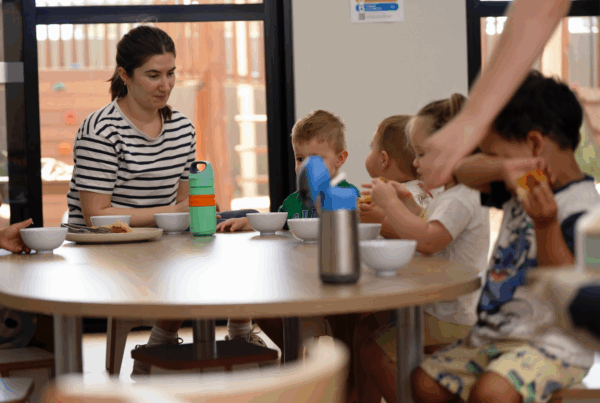
The daily flow of daycare versus preschool looks quite different. In a daycare setting, the day accommodates the full range of care needs for young children. You’ll have designated nap times for babies and toddlers, meal times (breakfast, morning tea, lunch, afternoon tea), nappy changes or toilet breaks, and plenty of free play mixed with structured activities. The routine is flexible enough to meet individual needs—if a baby needs an extra nap or a toddler needs some quiet time, that’s built into the flow.
Preschool routines are more like what your child will experience in school. The day typically starts with arrival time, followed by circle time or mat sessions where the whole group comes together. There are scheduled activity blocks—maybe literacy stations, then outdoor play, then a numeracy-focused game—and less emphasis on sleep or meals (though snacks are usually provided). It’s designed to help children adjust to the structure and expectations of a school day, which is exactly what makes it such good preparation.
Staff Qualifications and NQS Standards
One question parents often have is about who’s actually looking after and teaching their children. The qualifications and experience of staff can differ between daycare and preschool settings, though both are held to high standards in Australia.
 Training Requirements
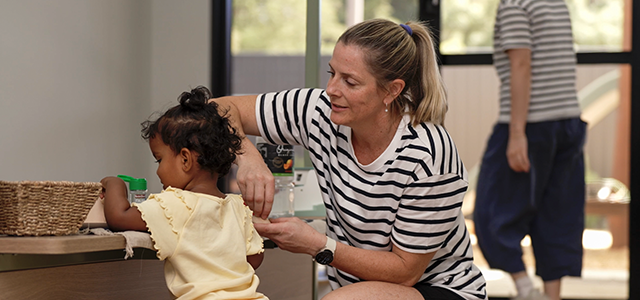
In long day care centres, you’ll find a mix of staff qualifications. Many educators hold a Certificate III in Early Childhood Education and Care, which is the minimum qualification, while room leaders and coordinators typically have a Diploma. For babies and toddlers, the staff-to-child ratios are strict—one educator for every four infants—to ensure proper supervision and care. As children get older, the ratios change, but the focus remains on having qualified, experienced educators who understand child development.
Preschool programs, particularly those preparing children for school, are required to have degree-qualified early childhood teachers. These teachers have completed a Bachelor of Education (Early Childhood) or equivalent, giving them specialised knowledge in curriculum planning, school readiness, and age-appropriate learning strategies. When a daycare centre runs a preschool program, you’ll typically find these qualified teachers working specifically with the older age groups.
Regulation Overlaps
Here’s something that might surprise you: both daycare and preschool services in Australia are regulated under the same National Quality Standards. The Australian Children’s Education and Care Quality Authority (ACECQA) assesses and rates all approved services, whether they’re standalone preschools or long day care centres. This means you can look up any centre’s NQS rating and see how they perform across seven quality areas, from educational programs to physical environment to staff qualifications.
Many centres in Lake Coogee and surrounding areas offer both daycare and preschool under one roof, all meeting the same rigorous standards. This is actually a huge advantage for families—you don’t have to choose between convenience and quality, and your child can transition from the toddler room to the preschool program without changing services entirely. It’s continuity and quality combined.
Costs, Funding, and Accessibility
Let’s talk money, because that’s often the deciding factor for many families when choosing between daycare and preschool.
Fees and CCS
Daycare fees can feel steep—you’re looking at anywhere from $100 to $150+ per day depending on your location and the centre. However, the Child Care Subsidy (CCS) can cover up to 90% of those fees for eligible families, which makes a massive difference. The subsidy is calculated based on your family income and how much care you use, but most working families qualify for at least some level of support. When you factor in CCS, daycare becomes much more affordable than it initially appears.
Preschool programs, when offered as standalone services, are often cheaper—sometimes even free in certain states or for specific hours. However, in WA, many preschool programs are now embedded within long day care centres, which means they’re covered by the same CCS arrangements. If your child attends a preschool program at a long day care centre like Sprouts, you’ll still access your CCS entitlement, making it a cost-effective option that also gives you flexibility with hours.
WA Availability
The good news for families in the Lake Coogee area is that you’ve got options. Long day care centres increasingly offer dedicated preschool or kindergarten programs for 3-5 year olds, meaning you don’t have to choose between care and education—you get both. Sprouts Early Learning, for example, provides structured preschool programs within their long day care service, giving families the convenience of all-day care with the educational focus of preschool.
This is particularly helpful for working parents who need full-day care but also want their child to have that school-readiness preparation. You’re not stuck choosing between a preschool that finishes at 3pm (leaving you scrambling for afternoon care) and a daycare that might not have a strong educational program. The hybrid model solves both problems at once.
Pros, Cons, and Overlaps
Let’s be real—there’s no perfect solution that works for every family. Both daycare and preschool have their strengths, and understanding what each offers helps you make the right call for your situation.
When to Choose Each
Daycare is the obvious choice if you’re working full-time or need consistent, reliable care throughout the week. It’s designed to support working families, offering long hours and flexibility. Beyond the care aspect, quality daycare centres provide rich learning environments where children develop socially, emotionally, and cognitively. If your child is under three, daycare is pretty much your only option anyway—preschool programs typically don’t start until kids are three or older.
Preschool makes sense if you’re specifically focused on school readiness and don’t need full-day care. If you’re a stay-at-home parent or work part-time, a traditional preschool program might be perfect—your child gets structured learning and social interaction, and you still have time together. It’s also worth considering if your child is in their kindergarten year and you want that intensive preparation for Pre-Primary.
Hybrid Options
Here’s where things get interesting: you don’t necessarily have to choose. Many long day care centres run preschool rooms or programs within their facilities, giving you the best of both worlds. Your child can attend full-time, receiving care throughout the day, but also participate in a structured preschool curriculum during specific hours. This is increasingly common in WA and makes transitions so much smoother.
The hybrid approach means your child builds relationships with educators and friends over several years, rather than moving between services. They’re in a familiar environment, which reduces stress, and families only have to deal with one drop-off and pick-up location. For busy parents juggling work and family life, that convenience is genuinely invaluable.
Decision Guide for WA Parents
So how do you actually decide what’s right for your family? Here are the main factors to consider:
Your child’s age: If they’re under three, long day care is your main option. If they’re 3-5, you can choose between daycare with a preschool program, standalone preschool, or a combination.
Your work situation: Full-time working parents will almost certainly need daycare. Part-time workers or stay-at-home parents might prefer a preschool program that runs shorter hours.
NQS ratings: Check the ratings of centres you’re considering. A highly-rated long day care centre with an embedded preschool program might offer better quality than a standalone preschool with a lower rating.
Location and convenience: Think about drop-offs, pick-ups, and how the service fits into your daily routine. A centre that’s on your way to work makes life so much easier.
Cost and CCS eligibility: Work out what you’ll actually pay after subsidy. Sometimes full-time daycare with CCS works out more affordable than you’d expect.
When you tour centres in Lake Coogee, ask about their educational programs for older children, staff qualifications, daily routines, and how they support the transition to school. See the spaces in action, watch how educators interact with children, and trust your gut feeling about whether it’s the right fit for your family.
Conclusion
So, are daycare and preschool the same? Not exactly, but they’re not as different as you might think—especially in quality EYLF centres that meet the National Quality Standards. Daycare offers full-day care and play-based learning for children from birth to school age, while preschool provides focused, structured education for 3-5 year olds preparing for school. The lines blur when long day care centres run preschool programs, which is increasingly common and incredibly convenient for WA families.
The key is choosing based on your family’s schedule, your child’s needs, and the quality of the service. Whether you opt for traditional daycare, standalone preschool, or a centre that offers both, what matters most is that your child is in a nurturing, stimulating environment where they can learn, grow, and thrive. In the Lake Coogee area, you’ve got access to excellent options that combine care, education, and convenience—making the whole early childhood journey a bit easier for everyone involved.